Welcome To Santa Izabel and J Seven Ranch
The Texas Longhorn breed is striking for its beauty, but even more so for its results.
I have been a cattle rancher for over 40 years, working with reproduction and genetics of the Nelore and Angus breeds. In Amazonas, since 1990 I have been performing insemination with Angus bulls in Nelore cows, seeking to produce superior quality meat.
I became acquainted with the Texas Longhorn breed four years ago when I visited some ranches in Texas and Oklahoma, and I was captivated by the beauty of their horns, which can reach up to 3 meters, and by the hardiness of these animals. What struck me most was observing young cows, in poor pastures, raising calves weighing up to 180 kg at foot.
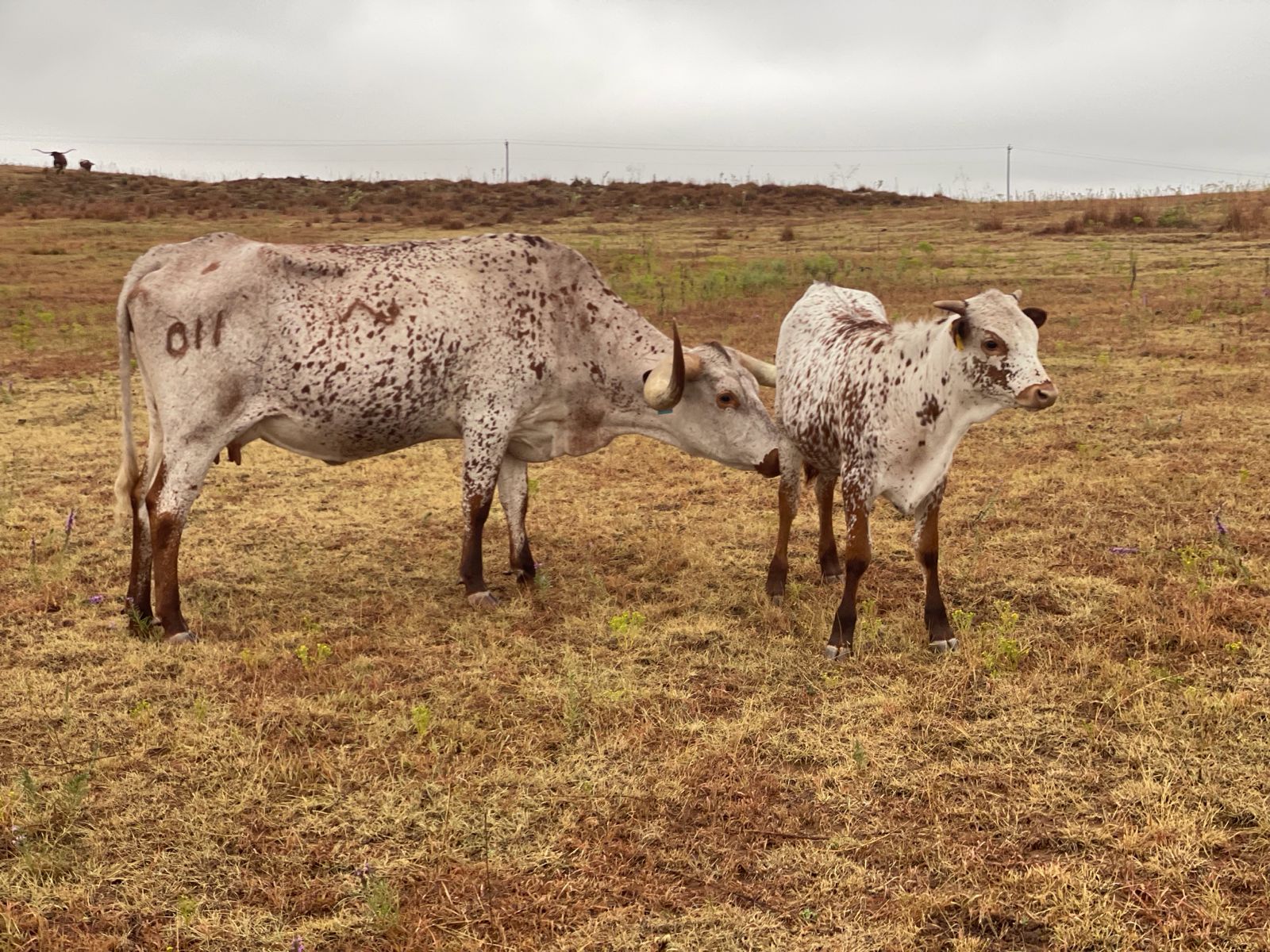
Based
on this experience, I started a project inseminating Texas Longhorn cattle into
half-blood Angus cows on my property in the Amazon. The results surprised me:
calves that are born small, facilitating calving, but after weaning show an
impressive weight gain, reaching around 500 kg at 15 months, well-finished and
with a carcass yield exceeding 55%.
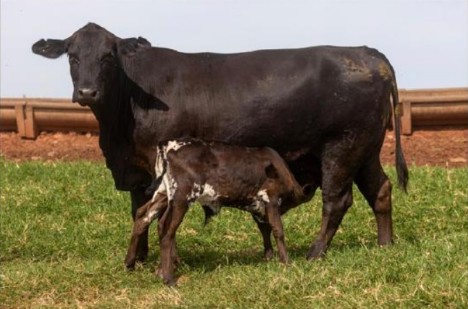
ANIMALS WITH EASE OF GIVING
Another
important point is the breed's incredible climate resistance. Longhorn bulls
withstand extreme temperatures, from 45°C in heat to -10°C in cold,
demonstrating great adaptability. They are extremely hardy animals, working at
the same level as zebu cattle, but with higher navels and excellent longevity
in the field.
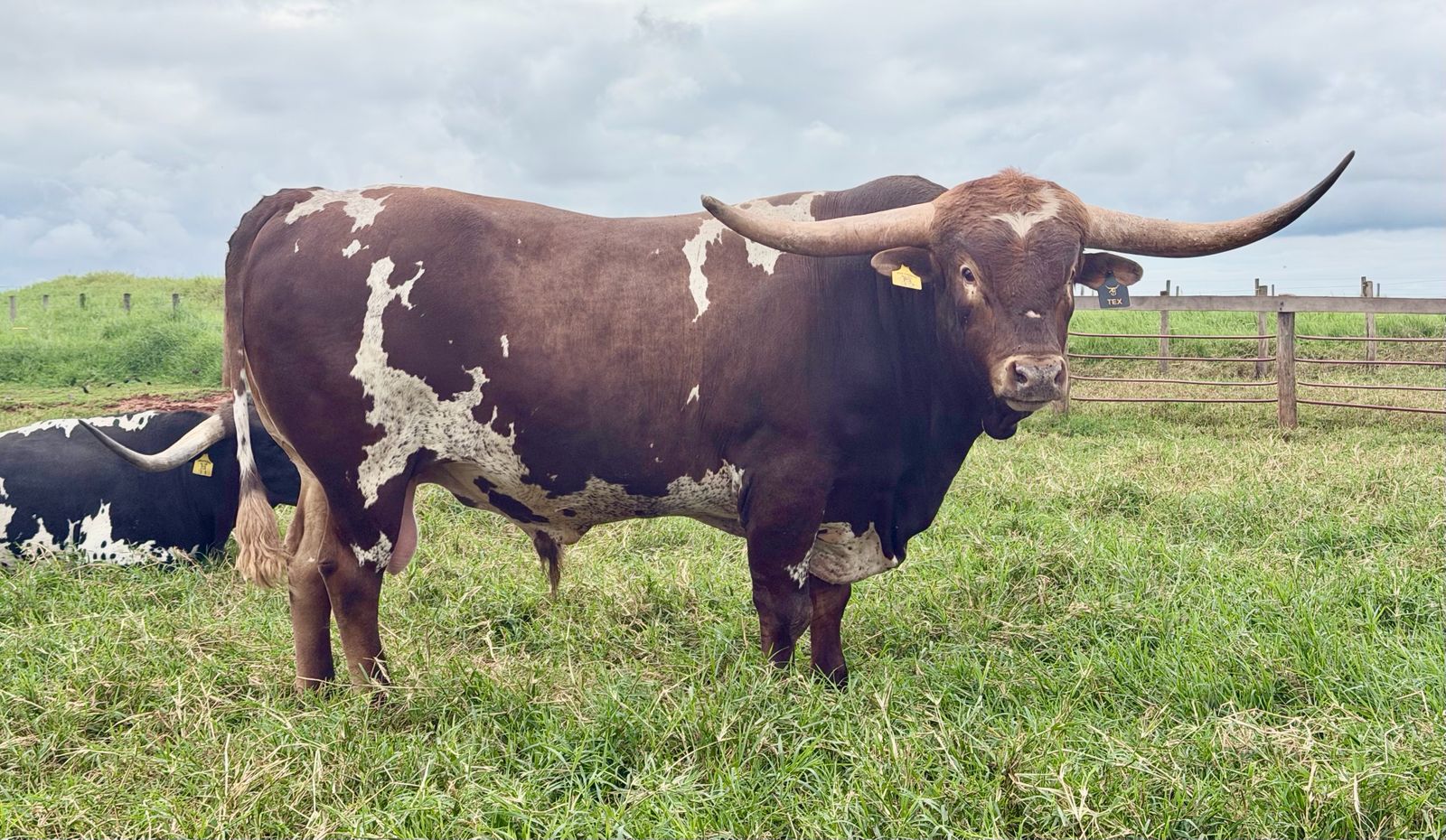
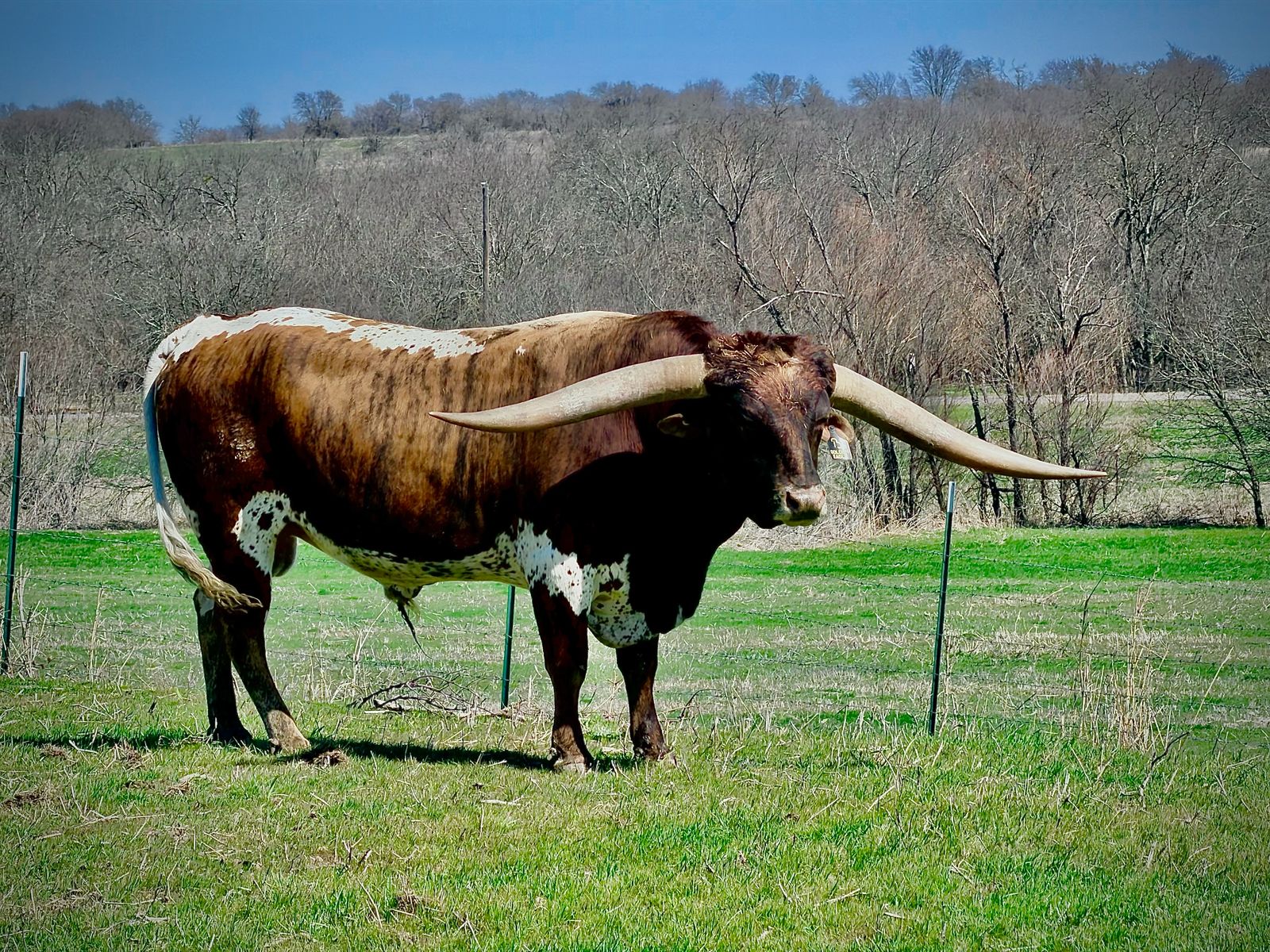
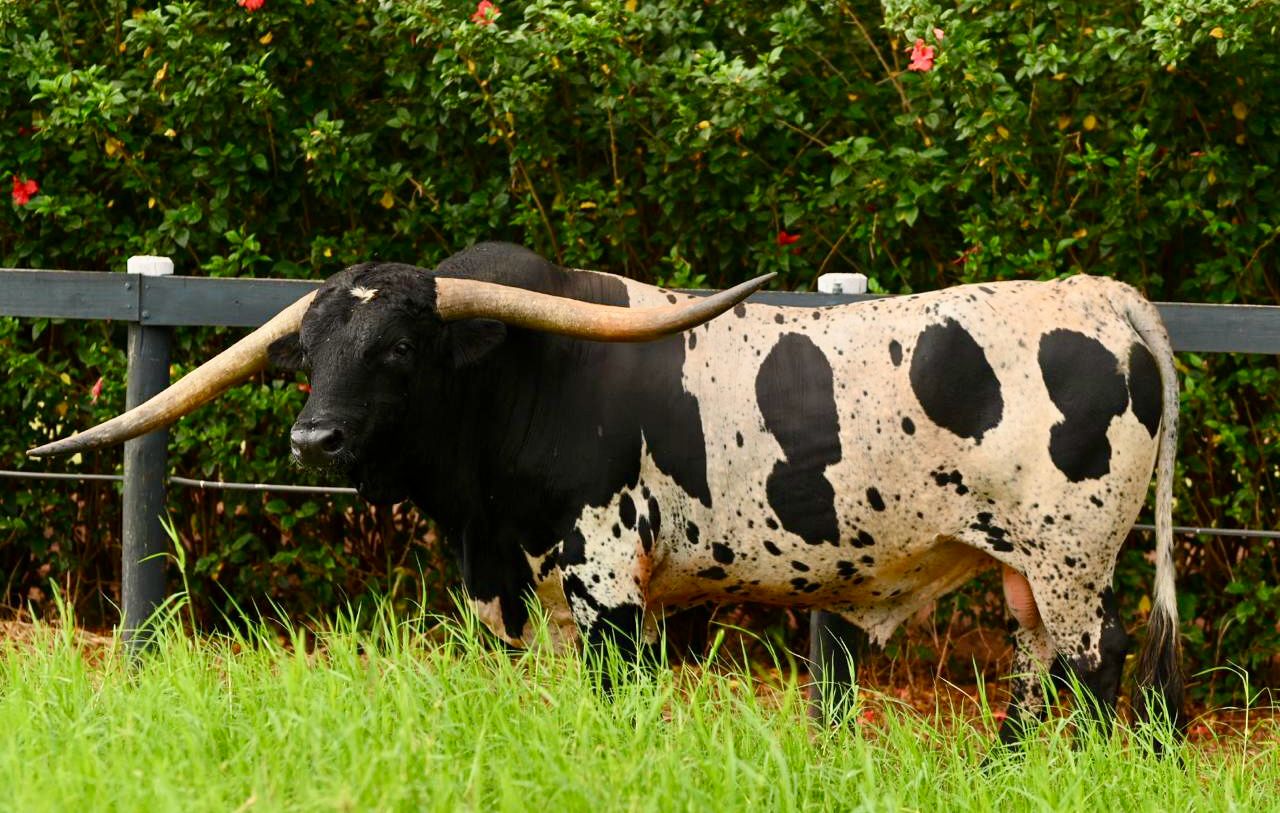
In light of these results and with the goal of making exports to Brazil viable, we have established a ranch in Grandview, Texas, the JSeven Ranch, approximately 45 miles from Fort Worth.
At this location, we select animals of high
genetic quality, conduct DNA and Blue Tongue tests, and comply with all
quarantine requirements for importation. I must mention and thank Kevin Bryant from Oklahoma for his invaluable collaboration. He was an extremely important person in the search for Longhorn DNA, and without his assistance, we would hardly have been able to bring the animals to Brazil.
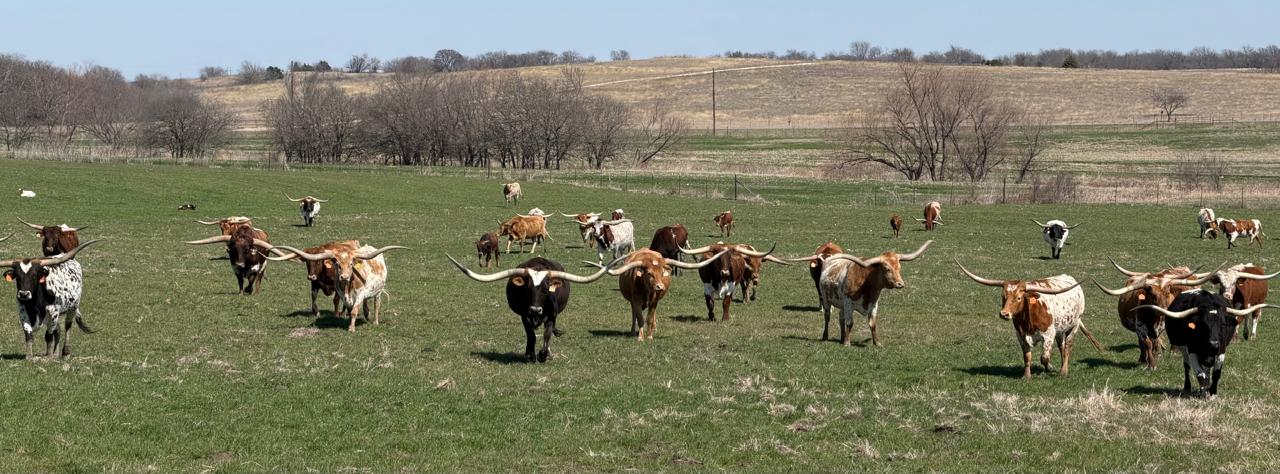
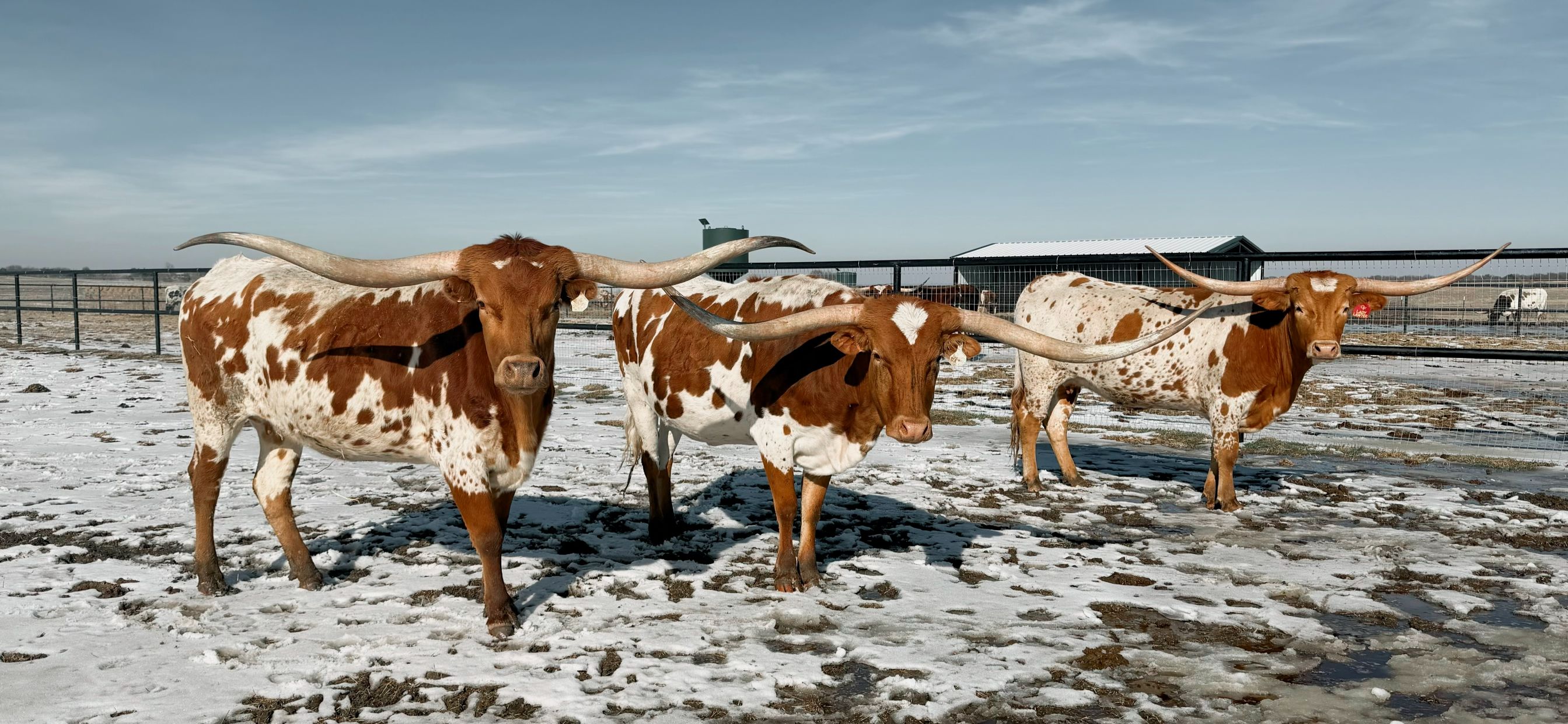
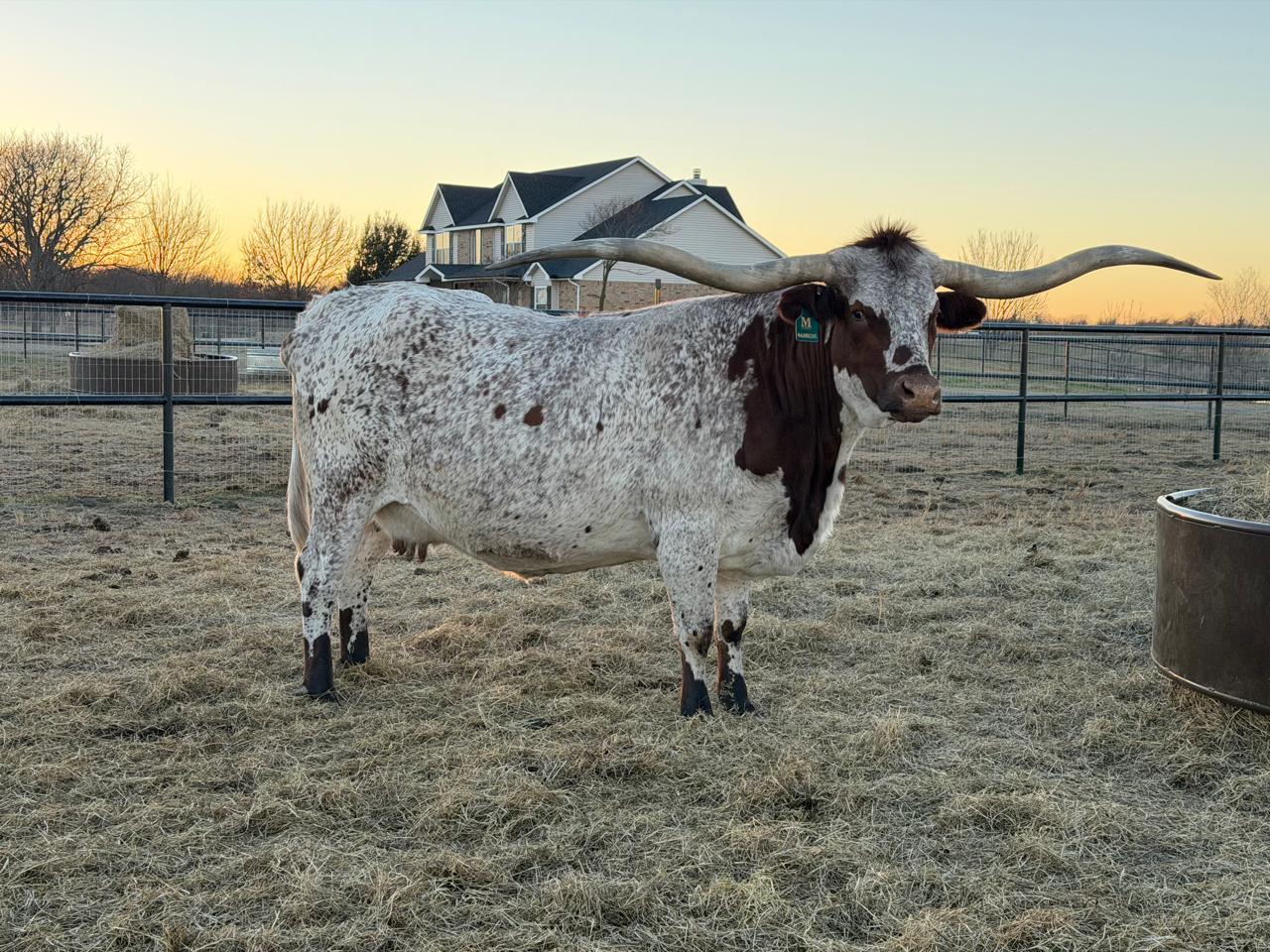
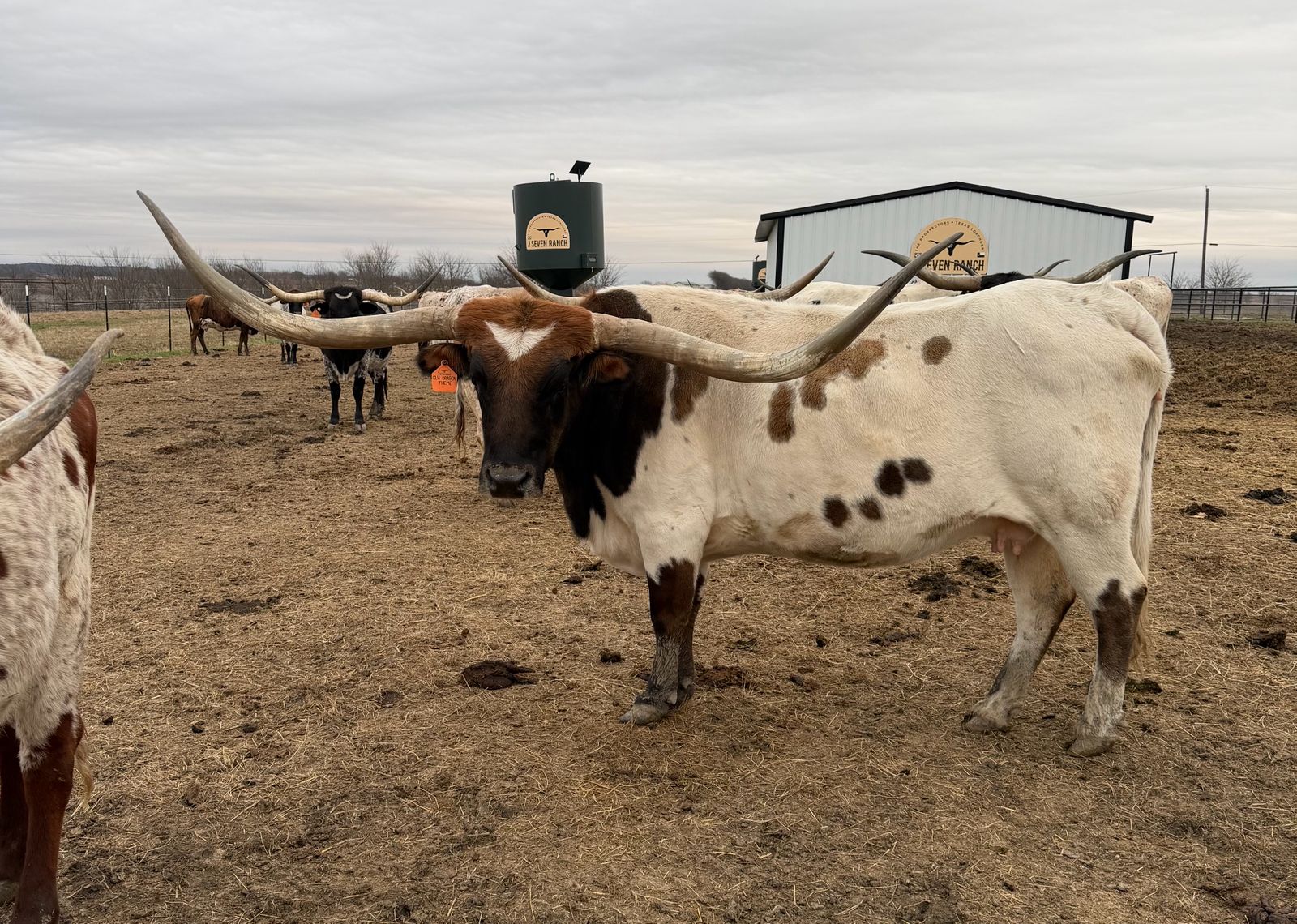
In
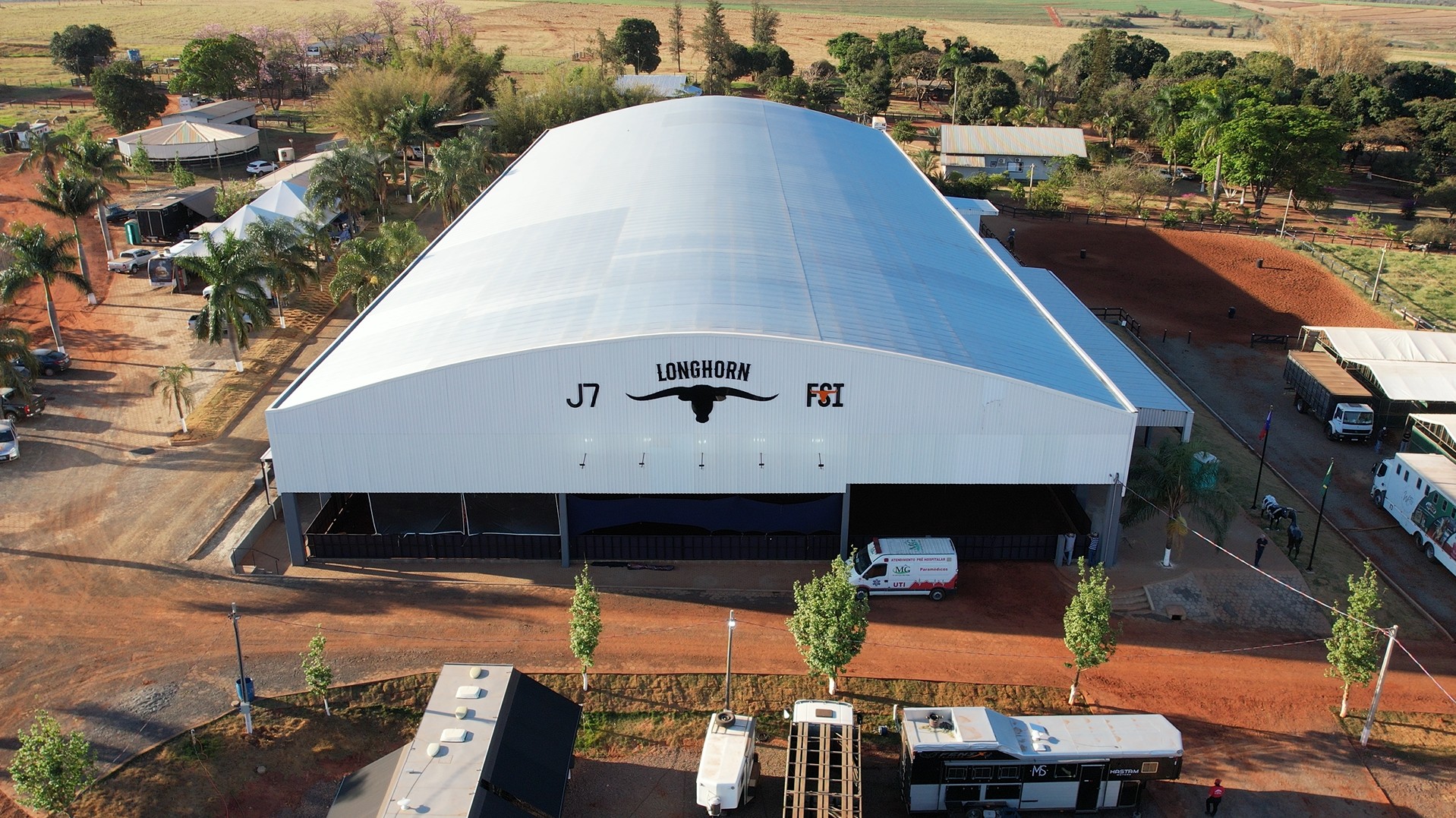
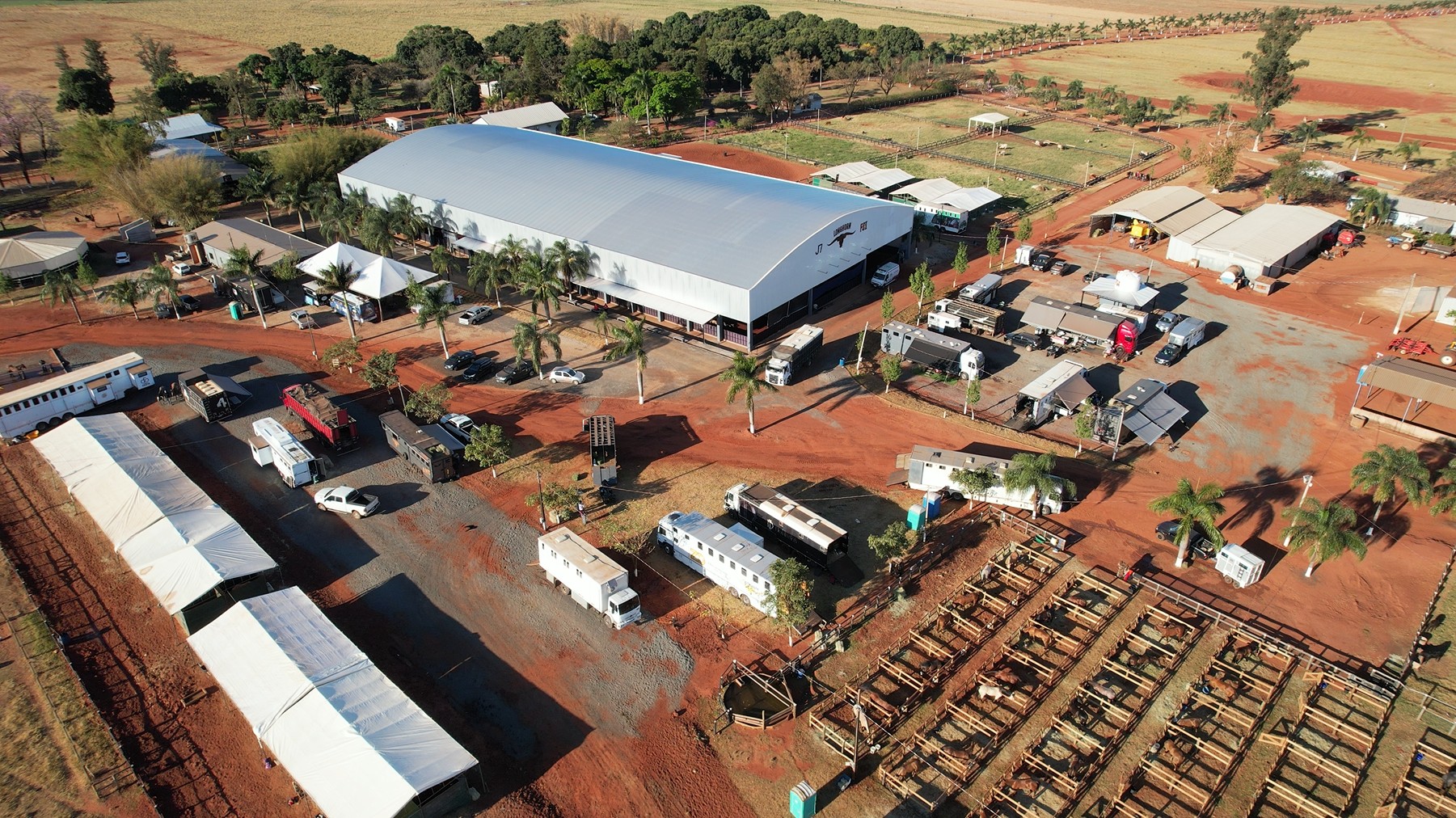
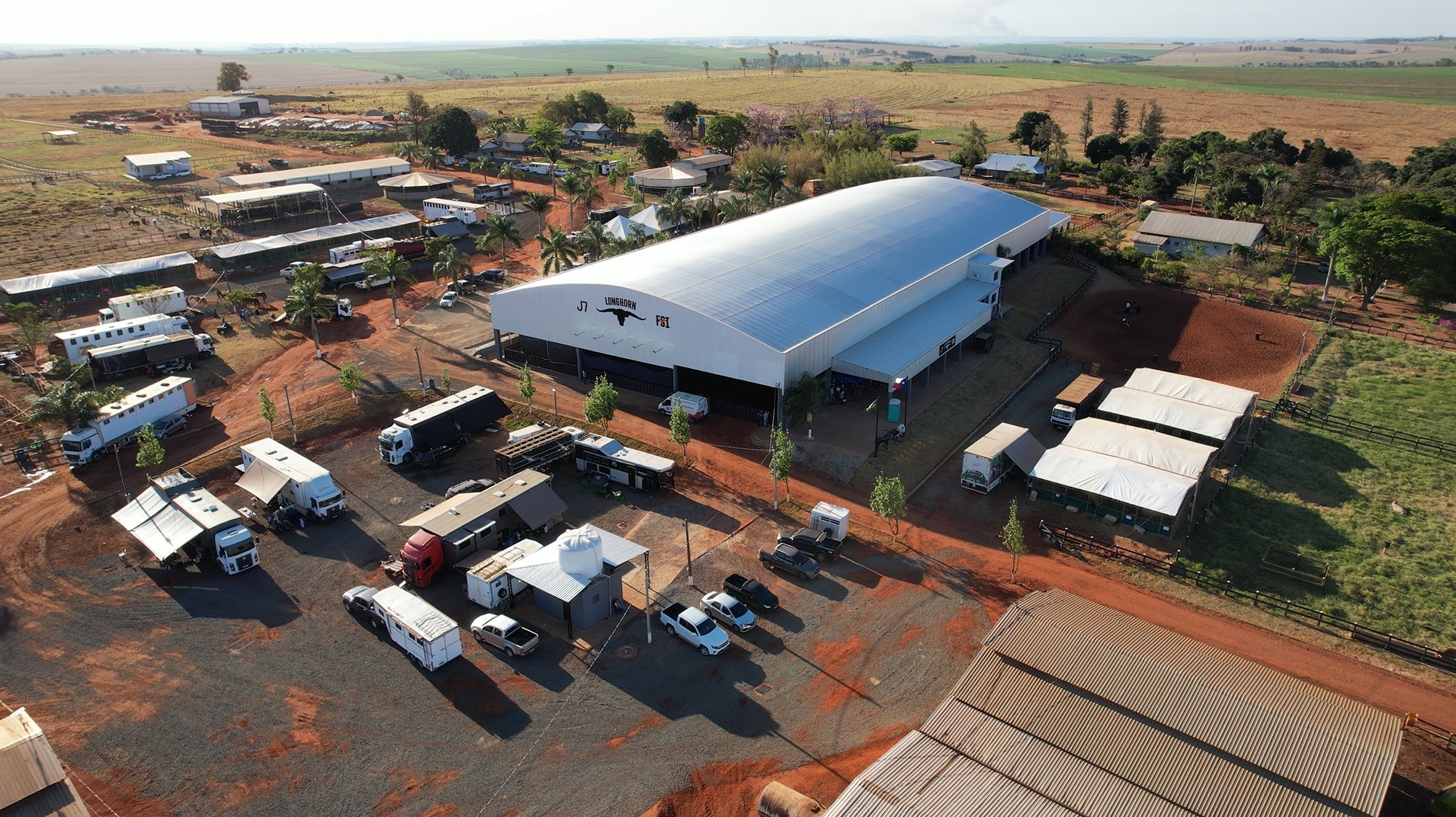
Brazil, at FSI, Cafeara – PR, we received this differentiated genetics and are
multiplying the animals through embryo collection and IVF, taking advantage of
the breed's high fertility.
Our goal is to produce superior animals by exploring strategic crossbreeding such as the three-way cross, which results in super-early maturing animals with healthier meat, low cholesterol, and extremely tender meat.